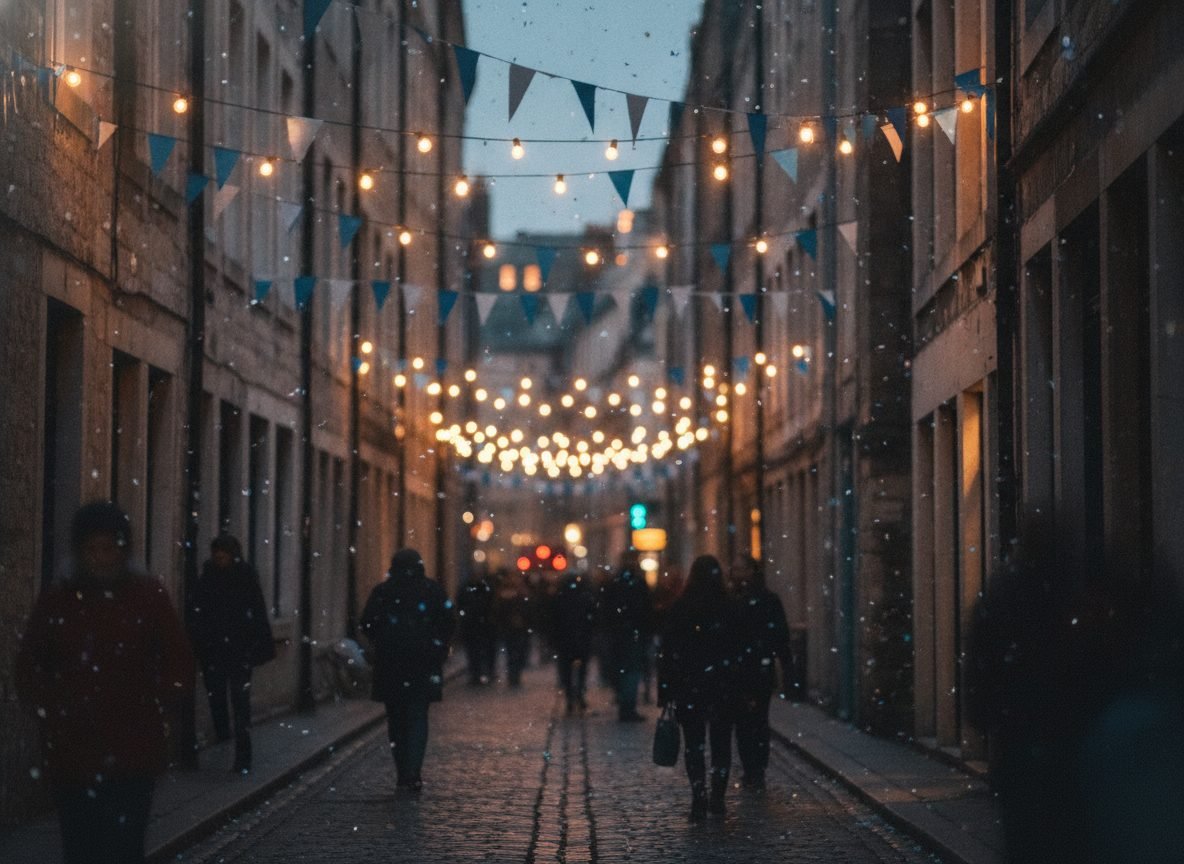
When the country comes out into the streets
As the evening of Yom HaAtzmaut falls, streets and squares fill with people. The cities are decked with blue-and-white flags, music plays, and there are public festivities and dancing late into the night.
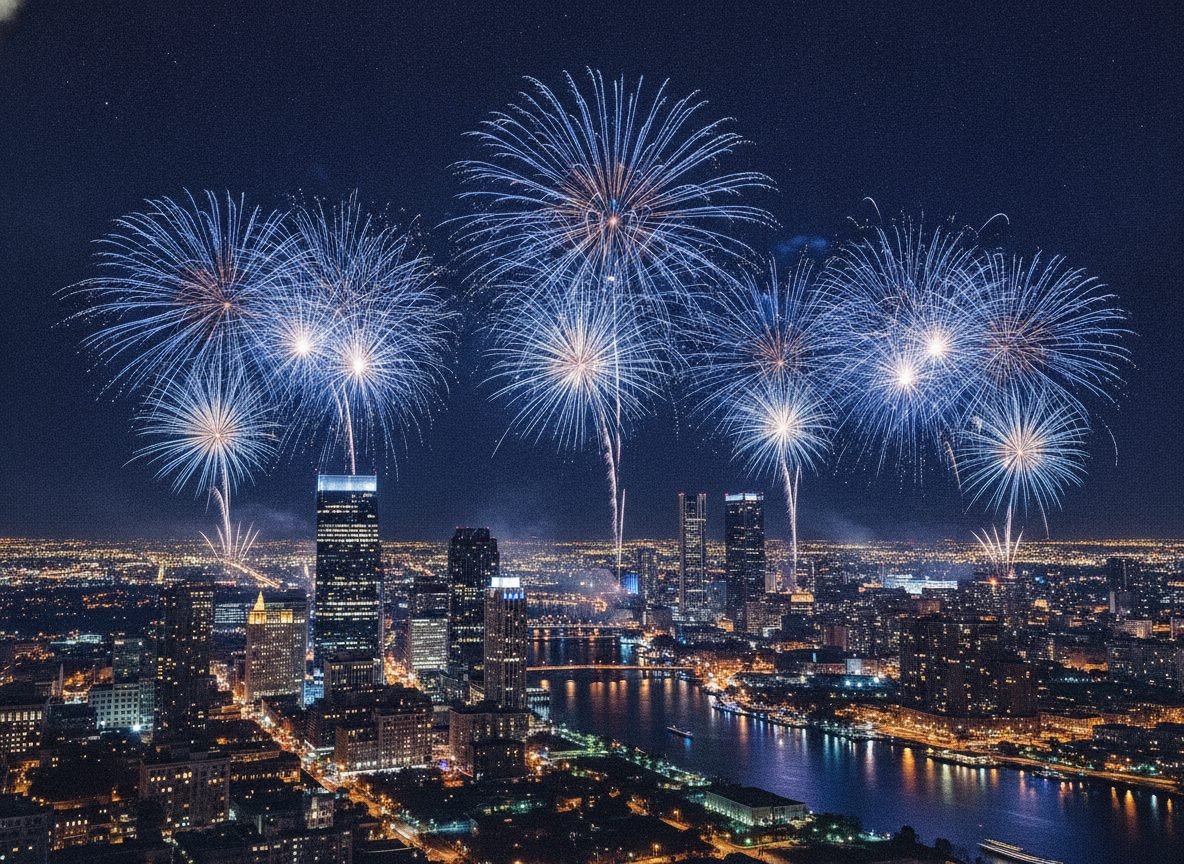
Fireworks bloom over the cities. Children wave little flags, flags are hung from balconies, and a light, festive mood reigns all day.
Twelve torches
The central ceremony is held in the evening on Mount Herzl in Jerusalem, at the grave of the founder of political Zionism. Twelve torches — for the twelve tribes of Israel — are lit by people distinguished by their service to the country and society.
The lighting of the torches marks the turn from the Day of Remembrance to Independence Day and opens the celebration across the whole country.
How it is celebrated
Torches and ceremony
The lighting of twelve torches on Mount Herzl opens the festival.
Fireworks and flags
Fireworks over the cities, blue-and-white flags on houses, cars, and streets.
Barbecues and picnics
The day’s favorite custom — a barbecue in nature: families and friends head out to parks and forests.
Songs and dancing
Concerts, folk dances, and singing late into the night; in the sky, an air-force flyover.
Over the cities
In a single night the whole sky of the country blooms with fire — fireworks over the sea and over the mountains.
The festival beyond Israel
Yom HaAtzmaut is celebrated in Jewish communities around the world too — with concerts, flags, festive evenings, and prayers of thanksgiving.
For many it is a day of connection with Israel, where their relatives and friends live, and an occasion to recall a shared history and a shared hope.