The day that precedes the festival
Yom HaZikaron is the Day of Remembrance for Israel’s fallen soldiers and victims of terror. It comes on the eve of Independence Day: the country does not celebrate before it remembers those who paid for it.
This is a deliberate choice: the joy of independence is inseparable from the memory of its price. Two days — grief and rejoicing — stand close together, passing one into the other at sunset.
The minutes when the country stands still
The siren sounds twice — in the evening and the next day. Across the whole country, for one or two minutes, everything stops: people rise, cars halt on the roads, and drivers step out and stand in silence.
These minutes of silence are the strongest image of the day. A whole country becomes, for a moment, one in silence and remembrance.
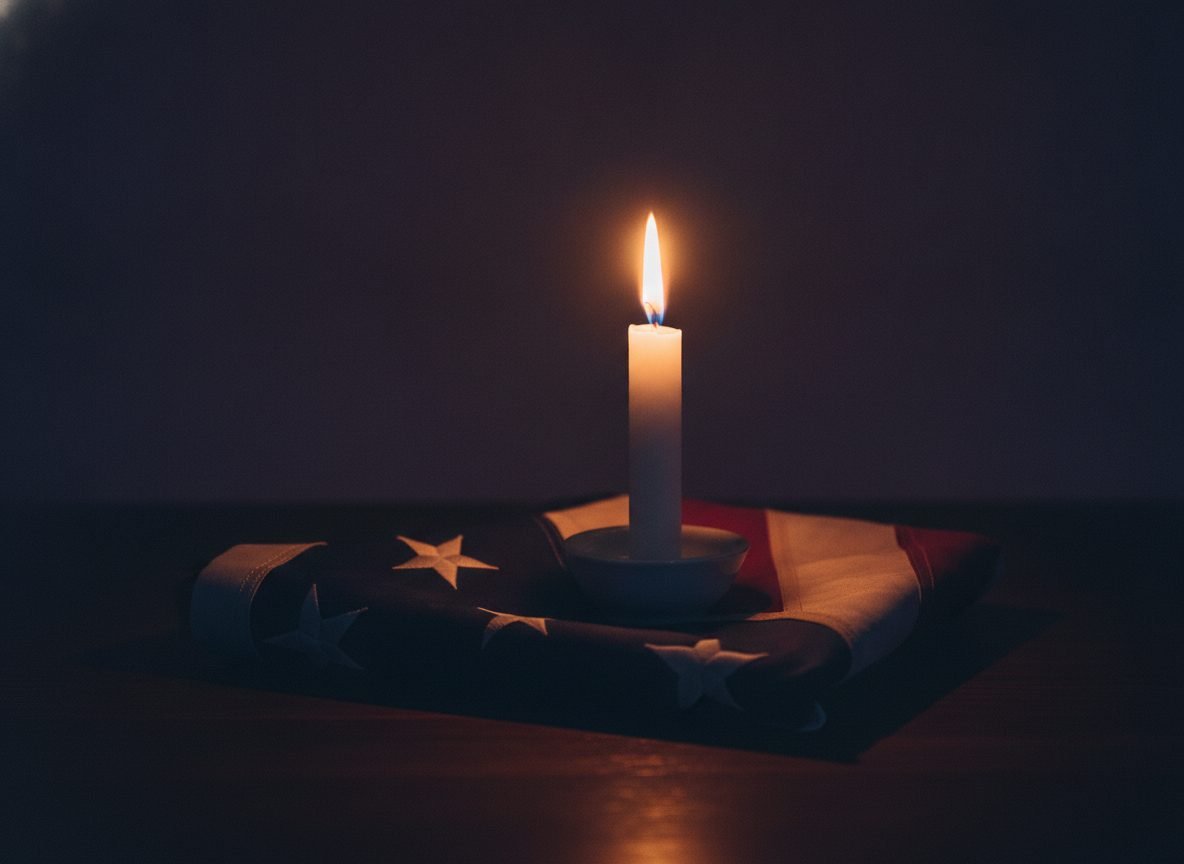
A day of silence and remembrance
The siren
The siren of remembrance, at which the whole country rises and stands still in silence.
Ceremonies
State ceremonies at the Western Wall and in military cemeteries, with the reading of the names of the fallen.
The flag at half-mast
Flags are lowered, places of leisure and entertainment are closed; the day passes in restraint.
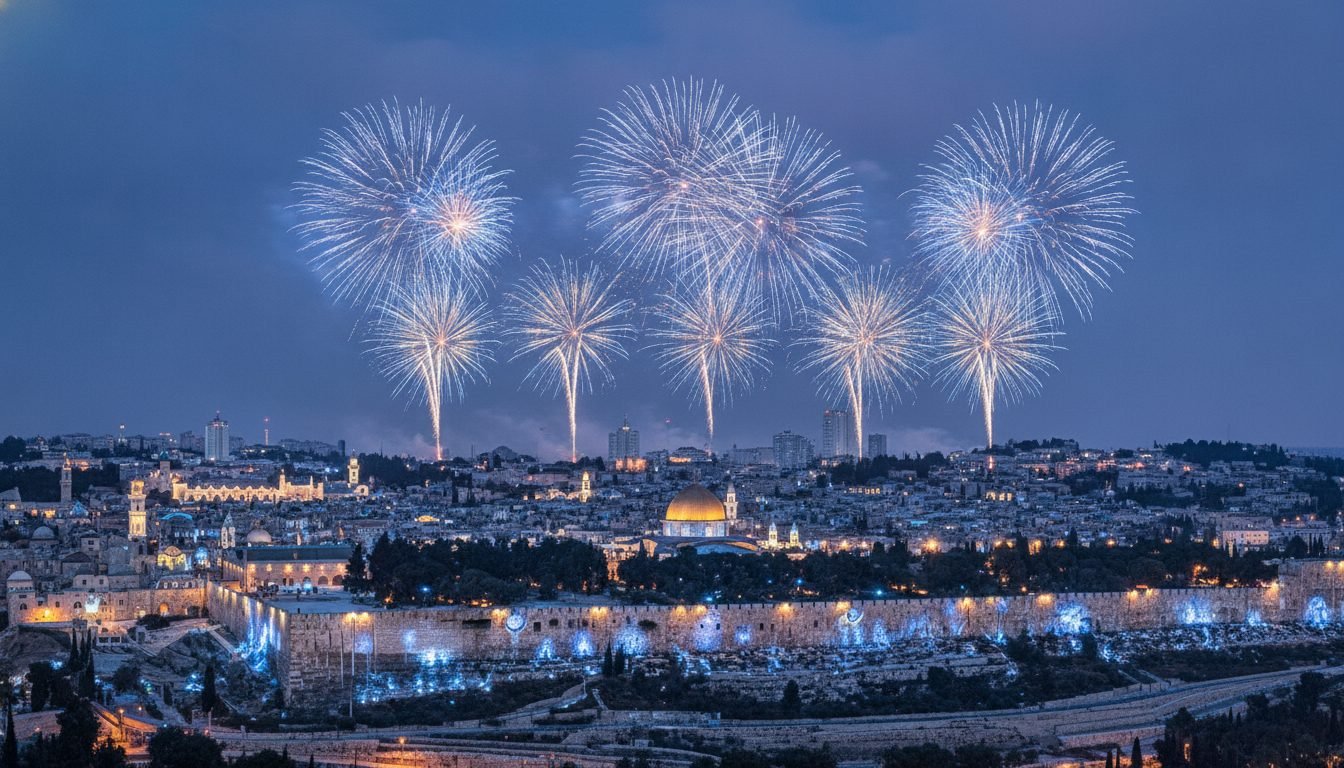
From grief to joy
At sunset the country that wept all day lifts its eyes to the sky — and the fireworks are kindled.
When the sun sets
At sunset Yom HaZikaron ends and Yom HaAtzmaut begins. On Mount Herzl in Jerusalem a state ceremony is held, and it is this that marks the turn from remembrance to celebration.
In a single moment the half-mast flag rises to the top of the pole, and silence gives way to music. This turn is perhaps the most moving moment of the entire year.